
Carpets are the single most common reason bond money gets held back in Christchurch rentals. Here is what inspections actually look for, what the law really requires, and how to protect yourself on both sides of the tenancy.
What property managers check
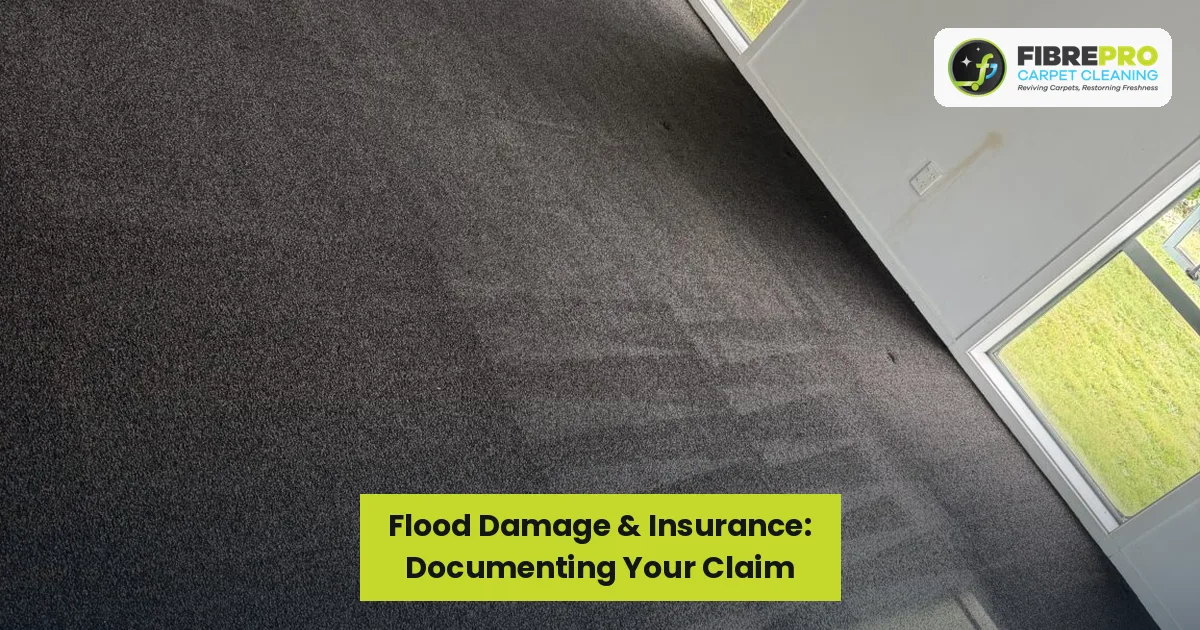
- Traffic lanes in hallways and doorways — the first thing eyes go to in an empty room.
- Stains compared against the ingoing inspection report and photos.
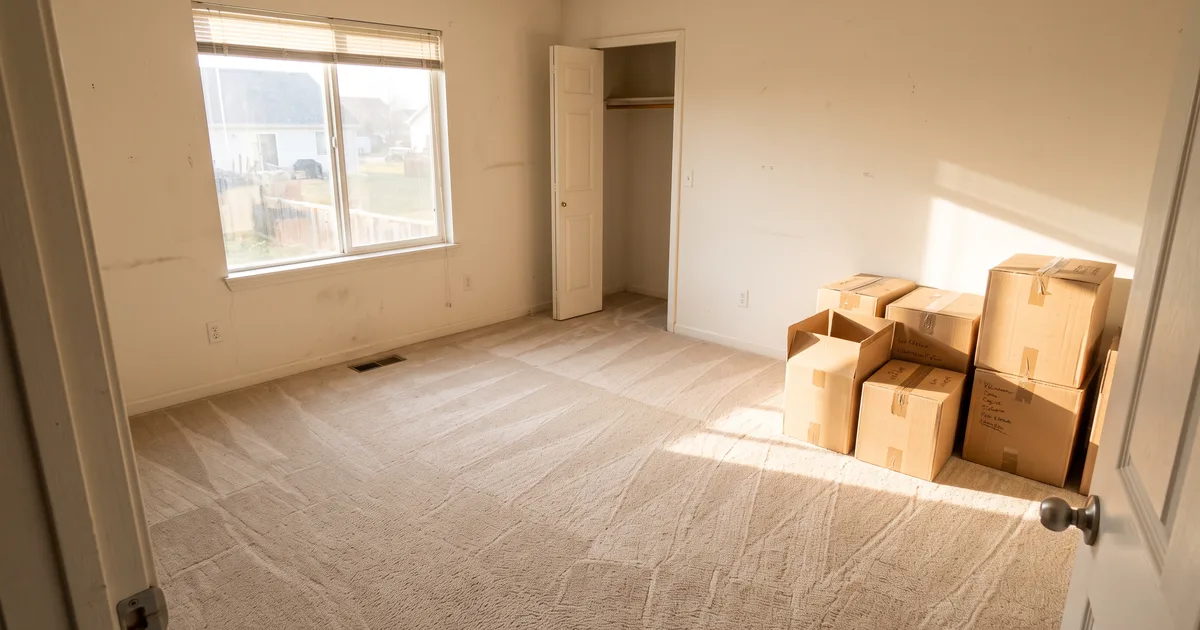
- Smells, especially pet odour — an empty, closed-up house makes smells obvious that furniture hid.
- Furniture indentations and marks under where heavy items stood.
What the law actually says
Under NZ tenancy law you must leave the property reasonably clean and tidy — a landlord cannot automatically demand professional carpet cleaning, and Tenancy Services explains the standard. But there are two big exceptions: if your tenancy agreement has a valid carpet-cleaning clause tied to pets you kept, or if stains and odours go beyond fair wear and tear, the cost can fall on you. Pet urine in the underlay is the classic case — it is damage, not wear, and it is exactly what pet stain treatment exists for.
Why the receipt matters as much as the clean
A professional receipt dated after your furniture went out is evidence. If a dispute reaches the Tenancy Tribunal, "the carpets were professionally cleaned on this date, here is the invoice" ends most arguments. We provide a dated receipt with every end of tenancy clean, and property managers across suburbs like Riccarton, Sydenham and Addington know our work.
Get the order right
Carpets come last: furniture out, house cleaned top to bottom, then carpet cleaning as the final job before the inspection. Cleaned carpet that gets walked over by movers is money wasted. Book 2–3 days before handover so carpets are completely dry for the inspection.
For landlords: between tenants is the cheap moment
An empty house is the fastest and cheapest it will ever be to clean properly. A professional clean between tenants — or a move-in clean from the new tenant's side — starts the tenancy with a documented baseline, which protects everyone at the end.
The common fail points
Three things fail inspections again and again: pet odour that only shows once the house is empty, DIY machine cleans that leave soap residue and dry patchy, and stains treated with supermarket products that set them permanently. All three cost more to fix than doing it properly once.